
Introduction
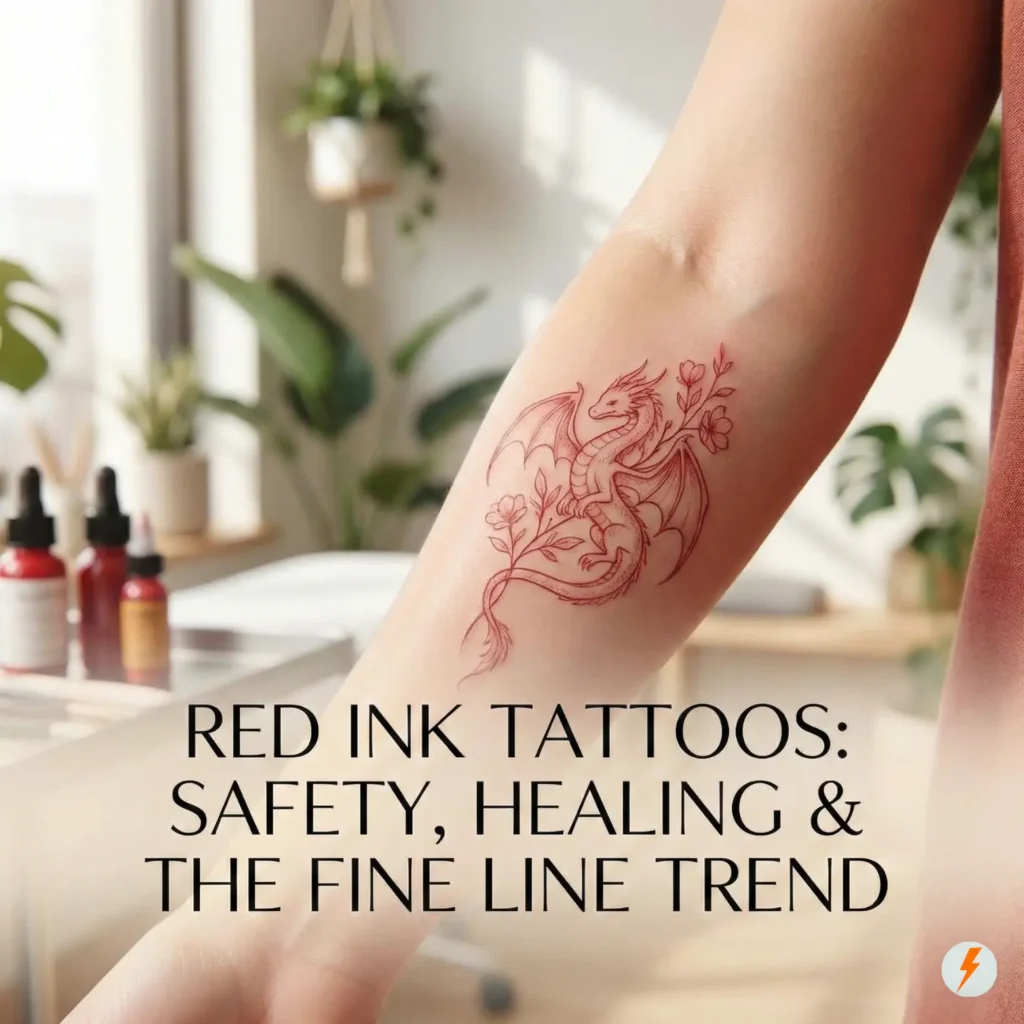
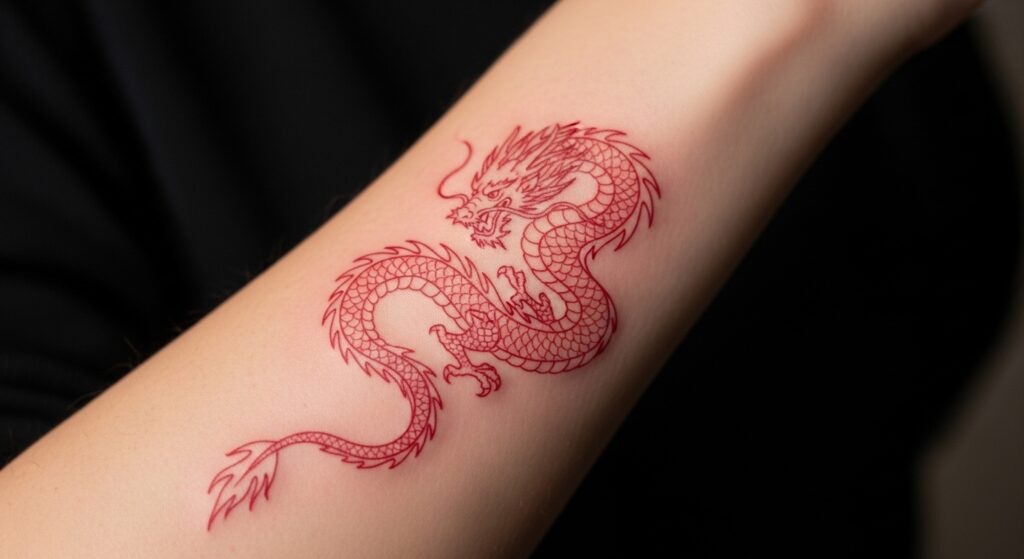
If you have scrolled through Instagram or TikTok lately, you have likely noticed a shift in the tattoo world. The bold blackwork of the past is sharing the spotlight with dainty red tattoos that look almost like delicate sketches on the skin. From fierce red dragons wrapping around forearms to subtle snakes and micro-hearts, the colored fine line tattoo trend is dominating studios in Los Angeles and New York.
But with this surge in popularity comes a wave of hesitation. You may have heard the rumors or read the horror stories: “Red ink causes infections,” or “Your body will reject the color.” It is a valid fear. Historically, red pigment has been the most problematic color in the tattoo spectrum.
However, tattoo technology has evolved significantly. This guide will separate the outdated myths from modern realities, breaking down red ink tattoo safety, healing expectations, and ingredient facts to help you decide if this aesthetic is right for your skin.
Are Red Ink Tattoos Safe? (The Short Answer)
The short answer is: Yes, for most people—but the ink quality matters more than ever.
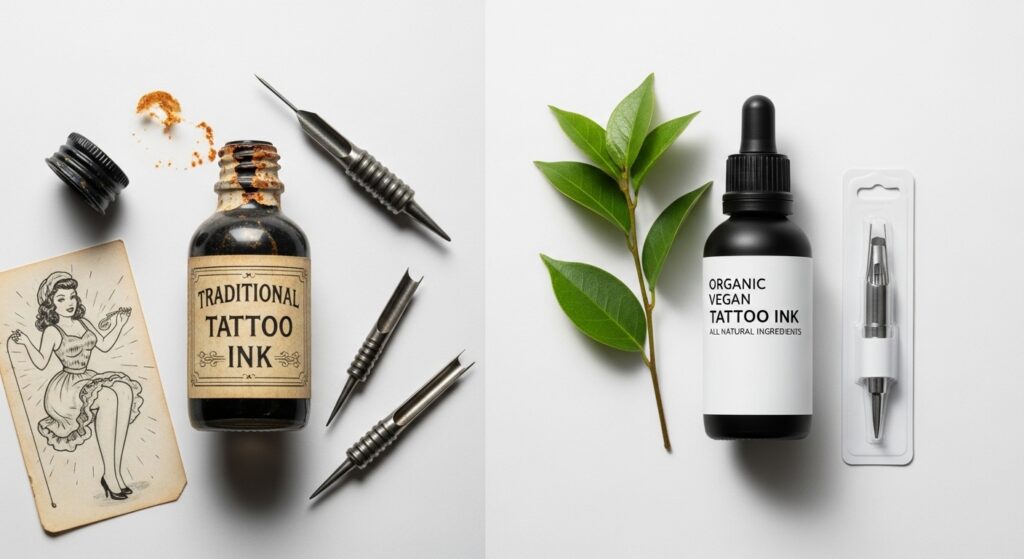
To understand the risk, you have to understand the history. Decades ago, red ink tattoos were indeed risky. Traditional red pigments were often derived from cinnabar (mercury sulfide) or heavy metals like cadmium. These ingredients were highly toxic and notorious for causing severe allergic reactions and long-term skin sensitivity.
Modern vs. Traditional Ink
Today, reputable tattoo artists in top-tier studios have moved away from mineral-based pigments. Modern red inks are largely organic, vegan, and acrylic-based.
- Old School Ink: Contained Mercury, Cadmium, and Cinnabar.
- Modern Ink: often uses Naphthol reds or organic pigments that are far less likely to trigger a heavy metal reaction.
Regulation and Safety Standards
Safety is not just about the color; it is about the regulation. If you are in Europe, you are likely protected by REACH regulations, which banned thousands of hazardous chemicals in tattoo inks as of 2022. While US regulations are looser, high-end artists voluntarily use REACH-compliant inks (like World Famous or Intenze) to ensure client safety.
The “Red Reaction”: Understanding Allergies & Risks
Even with safer modern inks, red remains the color most likely to cause a reaction. This is widely known in the industry as the “Red Reaction.”
What is a Red Ink Allergy?
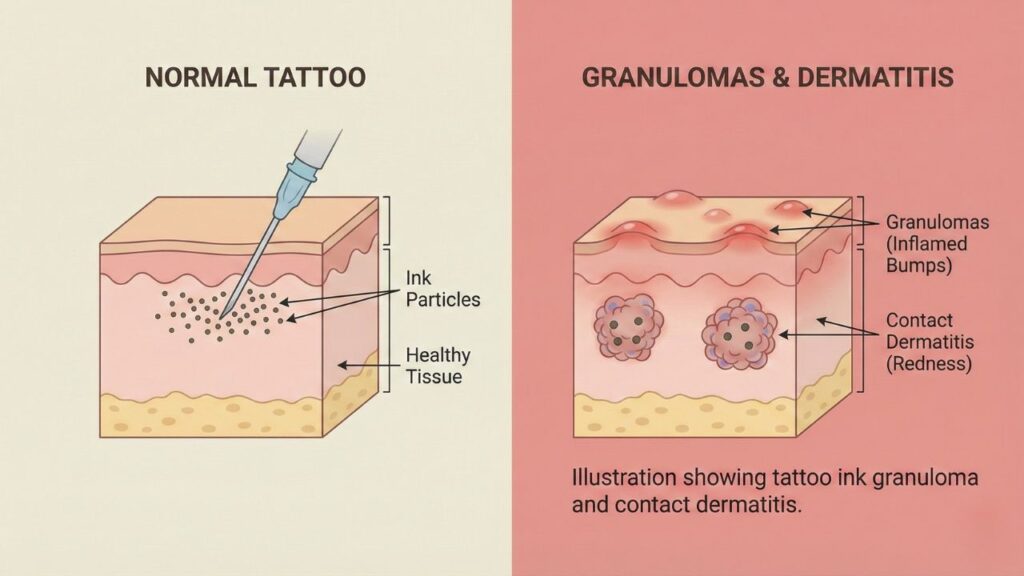
The medical term for this is Allergic Contact Dermatitis. It occurs when your immune system mistakes the pigment for a foreign invader/threat. While black ink (carbon-based) is chemically stable, red pigment components can sometimes be unstable.
- The Culprits: Even in modern inks, traces of Iron Oxide or distinct organic chemical structures can trigger sensitivities in predisposed people.
Symptoms to Watch For
It is crucial to distinguish between normal healing and an allergy. An allergic reaction might not happen immediately—it can flare up months or even years after the tattoo is healed.
- Itchy, Raised Skin: The tattoo may feel bumpy or constantly itchy, long after the scabs have fallen off.
- Granulomas: These are small, firm bumps of tissue that form when the body tries to “wall off” the ink.
- Photosensitivity: You might notice the red ink burns or stings when exposed to direct sunlight, more so than your other tattoos.
Who is Most at Risk?
If you cannot wear cheap costume jewelry or get rashes from nickel buttons on jeans, you are at higher risk. A history of metal allergies is the strongest predictor of a potential red ink allergy.
Red Ink Tattoo Healing: What to Expect
If you have researched red ink tattoo healing, you might be nervous about the recovery process. While the general aftercare rules are the same as black tattoos, red pigment often behaves a little differently during the first week. Knowing what is normal can save you from unnecessary panic.
Is Healing Different?
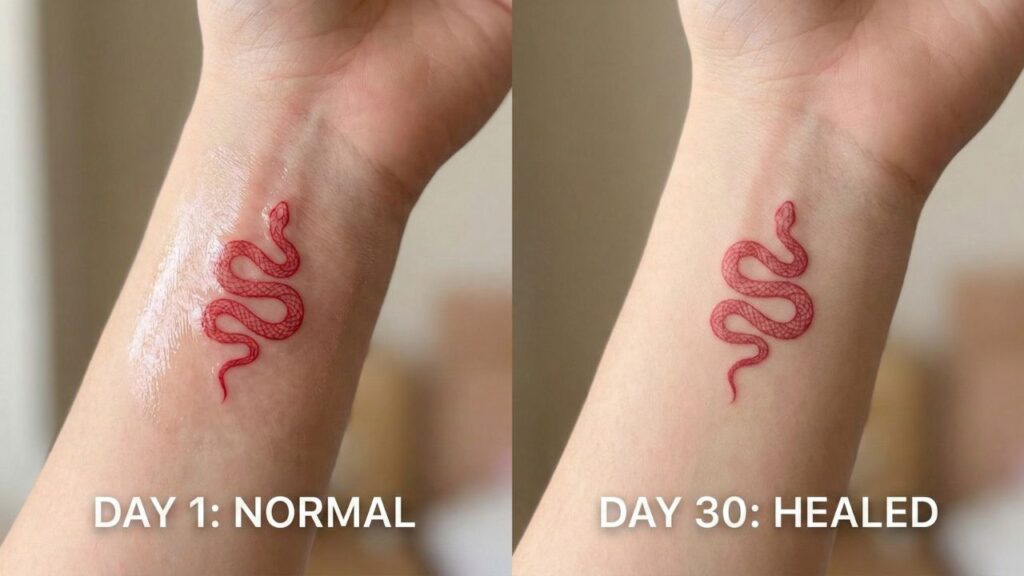
Yes, slightly. It is widely reported by artists and clients alike that red ink tends to stay “angry” longer than black ink.
- The First 48 Hours: Do not be alarmed if the area around your red fine line tattoo remains pink, swollen, or warm to the touch for a day or two longer than your black tattoos did. The chemical composition of red pigment often triggers a slightly stronger inflammatory response from the body.
The “Itch” Factor
As the tattoo enters the peeling phase (usually days 3–7), the itch can be intense.
- Why it happens: Because the body processes red pigment differently, the histamine response can be elevated. This results in a healing tattoo that feels tighter and itchier than usual.
- Pro Tip: Never scratch. Use a lightweight, fragrance-free lotion (like Lubriderm or Hustle Butter) to soothe the skin without suffocating it.
Red Flags: Normal Healing vs. Infection
Since the ink is red, it can be hard to spot the redness of an infection. Here is how to tell the difference:
- Normal: Mild redness directly on the lines, decreasing swelling, dry peeling.
- Warning Signs: Spreading redness (moving away from the tattoo), oozing yellow/green fluid, extreme heat, or throbbing pain. If you see these, see a doctor immediately.
Trending Now: Dainty Red Tattoos & Fine Line Styles
Why has every influencer in NY and LA swapped bold sleeves for dainty red tattoos? The appeal lies in the subtlety. Unlike black ink, which sits heavily on the skin, red ink blends with the skin’s natural undertones.
Why Red?
- The “Scarification” Look: Healed red ink often mimics the look of a natural scratch or branding, giving it an edgy, organic feel without the commitment of heavy dark lines.
- Vintage Aesthetic: It evokes a nostalgic, worn-in vibe reminiscent of vintage stamps or old illustrations.
- Softer Contrast: For those with pale or fair skin, black can sometimes feel too harsh. A colored fine line tattoo in red offers a softer, more delicate alternative.
Popular Motifs
- Red Dragons & Snakes: Traditionally aggressive symbols, these creatures look surprisingly elegant when done in red. The color emphasizes the mythical “fire” element of dragons and adds a dangerous allure to snakes, making them top choices for a colored fine line tattoo.
- Micro-Hearts & Script: The “blink and you’ll miss it” aesthetic is huge. Tiny red hearts behind the ear or red script mantras on the ribs are staples of the minimalist trend.
The Reality of Aging
We must be honest: Red ink fades faster than black. Because red pigment absorbs light differently, it is more susceptible to UV breakdown.
- The “Fuzzy” Effect: Over 5–10 years, crisp fine lines may soften and spread slightly more than black lines.
- Touch-ups: Expect to get a touch-up every few years if you want to keep that vibrant, “fresh scratch” look.

How to Minimize Your Risk (Before You Book)
You want the look, but you want to be safe. Here is your checklist before sitting in the chair.
The Patch Test
If you have sensitive skin, do not guess—test.
- Ask your artist for a dot test at least 24 hours (ideally a week) before your appointment. They will tattoo a tiny dot of red ink in a hidden spot (like behind the ear). If it flares up, you know red isn’t for you.
Ink Brand Check
Don’t be afraid to ask, “What brand of ink do you use?” Professional artists will happily tell you. Look for reputable, high-safety brands known for strict quality control:
- World Famous Tattoo Ink
- Solid Ink
- Kuro Sumi
- Eternal Ink
- Avoid: Unbranded inks or cheap kits bought online.
Sun Protection is Non-Negotiable
Red ink is notoriously photosensitive.
- The Rule: Once healed, your red tattoo needs sunscreen forever. UV rays can cause a chemical reaction in red pigment that leads to itchy, raised bumps years down the line. Treat your red ink like a vampire—keep it out of the sun or keep it covered.
Conclusion: Should You Get a Red Tattoo?
So, are red ink tattoos safe? For the vast majority of people, yes. The days of toxic mercury-filled inks are largely behind us, provided you choose a professional artist using modern, high-quality pigments.
The dainty red tattoo trend offers a unique, sophisticated aesthetic that black ink just can’t match. However, it requires a commitment to sun safety and the understanding that your tattoo may need a little more maintenance over its lifetime.
If you are ready to embrace the red dragon trend or get that delicate script, the next step is simple.
Ready to get inked? Don’t just walk into any shop. Book a consultation with a fine-line specialist today. Ask about their ink brands, request a patch test if you’re worried, and get ready to wear one of the most stunning tattoo styles of the decade.