
Introduction
The global fascination with Korean skincare shows no signs of slowing down, but the approach is undergoing a radical transformation. As we enter 2026, the K-Beauty landscape is shifting rapidly away from time-consuming rituals toward high-tech efficiency and biological health.
The era of the famous “10-Step Routine” is officially giving way to “Intelligent Minimalism.” Today’s savvy consumer isn’t looking more products; they are looking for smarter products.
Why K-Beauty Dominates: The Pivot to “Skin Longevity”
Why does K-Beauty remain at the forefront of global innovation? Because it has successfully pivoted its core philosophy. The focus has moved from superficially covering flaws or achieving temporary brightness to a deeper obsession with skin longevity and foundational barrier health.
The 2026 K-Beauty consumer understands that a glowing complexion is merely a symptom of a healthy, functioning skin barrier. This new wave of products focuses on bio-compatible ingredients that mimic the skin’s natural structure, prioritizing long-term resilience over overnight fixes.
At a Glance: The 7 Trends Shaping 2026
Here are the key Korean beauty trends that will define skincare routines in 2026:
- Glass Skin 2.0 (Cloud Skin): A soft-focus glow replacing the “wet” look.
- Slow Aging: Proactive skin longevity over reactive anti-aging.
- Bio-Regenerative Actives: The rise of Salmon DNA (PDRN) and exosomes.
- Scalp Care as “Head Skin”: Treating the scalp with facial-grade ingredients.
- Next-Gen Overnight Collagen Masks: Transparent, peel-off hydration technology.
- Cryo-Care: Temperature-responsive products to fight thermal aging.
- Barrier-First Repair: The “sandwich method” of layering moisture.
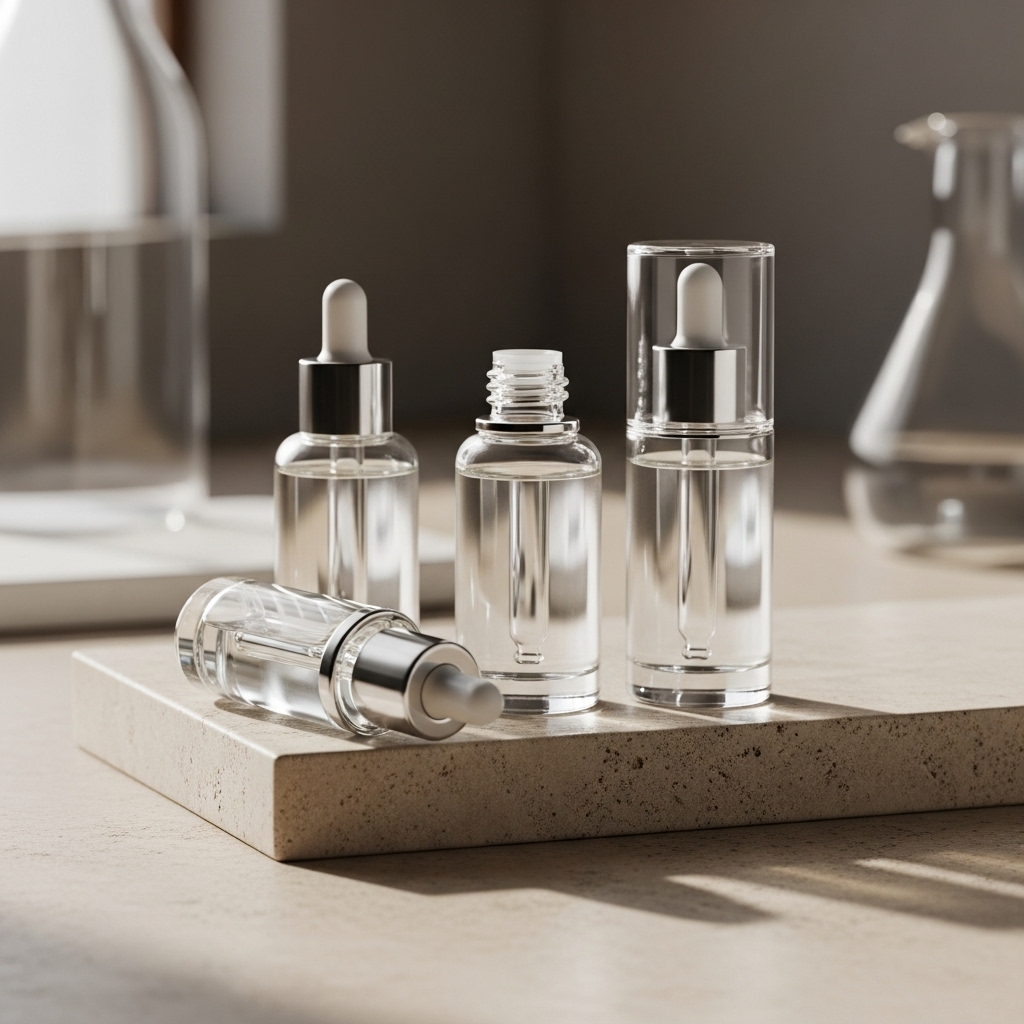
Trend 1: Glass Skin 2.0 (The “Cloud Skin” Evolution)
For years, “Glass Skin” was the ultimate K-Beauty goal—a complexion so dewy and reflective it resembled a mirror. However, as we move into 2026, this trend has evolved due to consumer demand for a more wearable, practical finish.
What Changed: From “Wet” to “Soft-Focus”
The original Glass Skin trend often teetered on the edge of looking greasy or sweaty, especially in humid climates. Glass Skin 2.0, sometimes referred to in Korea as “Cloud Skin,” moves away from that intense, wet reflectivity.
Instead, the 2026 goal is a sophisticated, soft-focus inner glow. Think of the difference between a high-shine lip gloss and a satin lipstick. It is a demi-matte finish that looks hydrated and plump from within, diffusing light rather than just reflecting it off an oily surface.
The Method: “Skin Flooding” Over Heavy Oils
Achieving Glass Skin 2.0 requires a technique change. Rather than relying on heavy occlusive oils to create shine, the new method relies on “Skin Flooding.”
Skin flooding involves layering multiple thin, watery, hydration-focused products to saturate the skin cells with moisture without creating a heavy film. By stacking humectants (like different molecular weights of hyaluronic acid or glycerin), you create a plump, deeply hydrated base that glows without feeling sticky.
Key Products: Hybrid Toner-Moisturizers
To achieve this “cloud-like” effect, consumers are turning to hybrid products that streamline the “flooding” process:
- Milky Toners: These are thicker than traditional watery toners, often containing trace amounts of lipids or ceramides suspended in the formula. They provide the initial hydration shot of a toner with the softening barrier support of a light emulsion.
- Liquid Moisturizers: Extremely lightweight, almost water-like lotions that sink instantly into the skin, perfect for the final layer of a Glass Skin 2.0 routine.
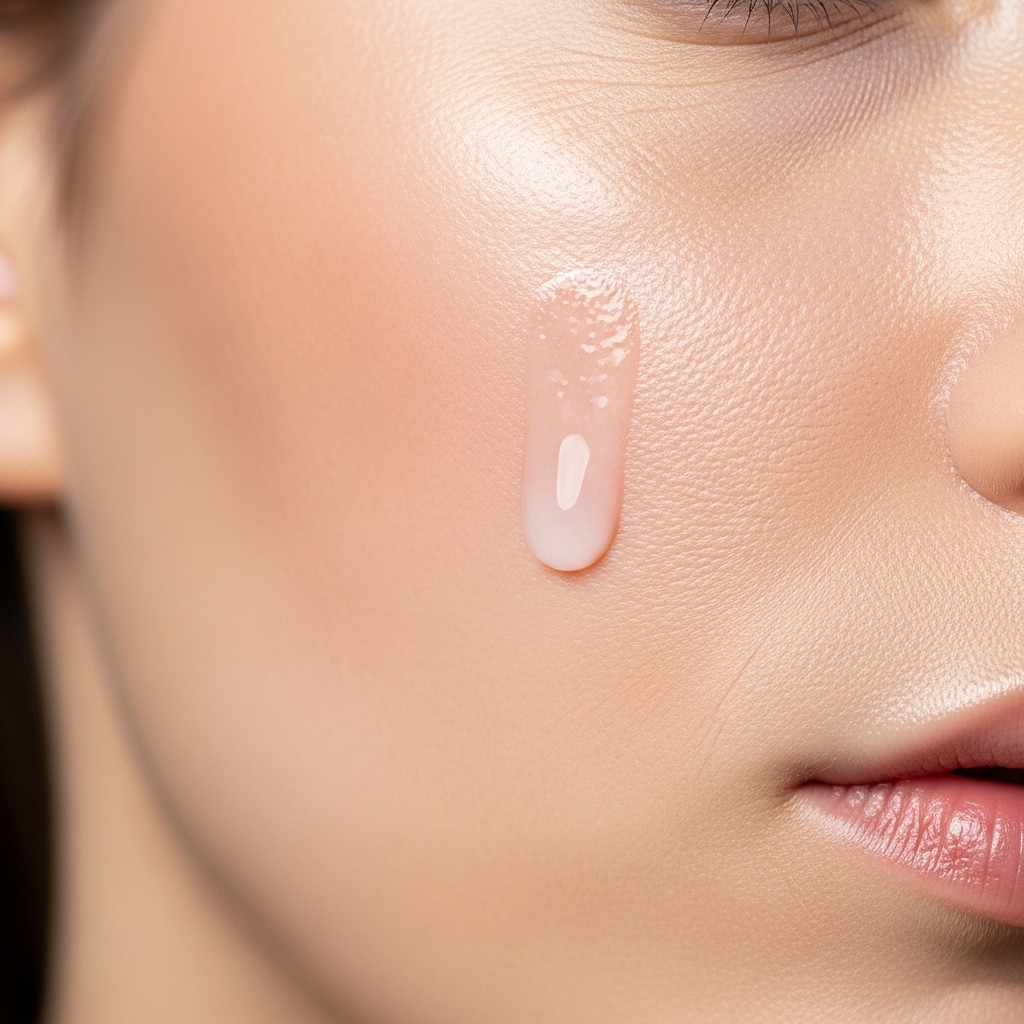
Trend 2: “Slow Aging” & Skin Longevity
Perhaps the most significant cultural shift in 2026 K-Beauty is the re-branding of aging. The aggressive war on wrinkles is over; the era of “Slow Aging” has begun.
The Concept: Pre-Aging over Anti-Aging
Historically, the industry focused on “anti-aging”—a reactive approach centered on erasing visible signs of aging that already exist. Slow aging (or “pre-aging”) is a holistic, proactive philosophy.
It’s not about fighting time; it’s about extending the skin’s health span. The goal is to maintain the skin’s peak biological functions for as long as possible, delaying the onset of damage rather than frantically trying to reverse it later. It shifts the narrative from “fixing flaws” to “preserving health.”
The Focus: Cellular Communication and DNA Repair
To achieve slow aging, 2026 K-Beauty products are diving deeper into biology. It’s no longer just about surface hydration. The new focus is on maintaining efficient cellular communication and aiding DNA repair.
When skin cells communicate effectively, they produce collagen and elastin more efficiently and repair environmental damage faster. Ingredients that support these processes—like advanced peptides, growth factors, and polynucleotides (which we will explore in the next section)—are becoming the cornerstone of the Korean skincare routine.
Target Audience: The “Baby Botox” Alternative
While relevant for all ages, the slow aging trend is being heavily driven by Gen Z and younger Millennials. These demographics are starting preventative measures in their early 20s.
Rather than jumping straight to invasive procedures like preventative Botox, they are seeking high-performance topical skincare that promises to “freeze” their current skin state, viewing skincare as a long-term health investment rather than a cosmetic quick fix.
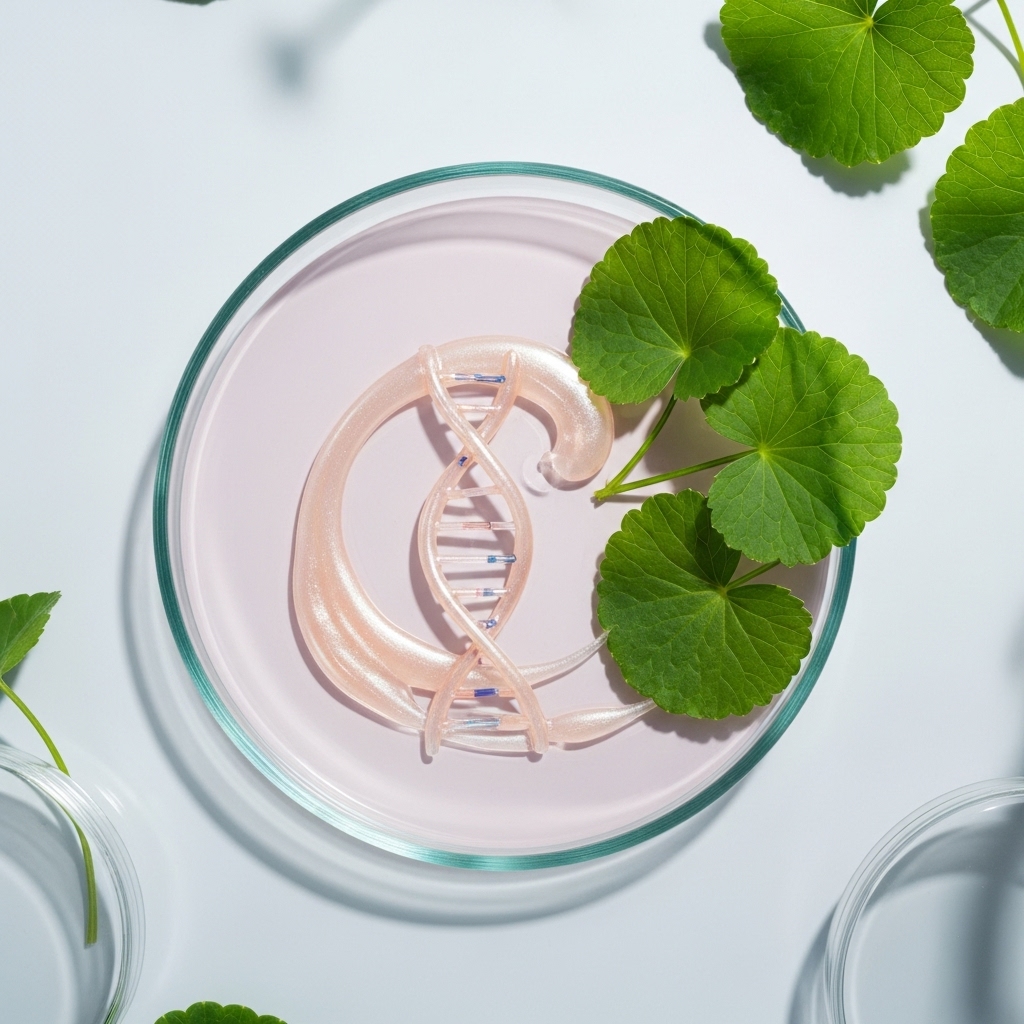
Trend 3: Bio-Regenerative Actives (Beyond Snail Mucin)
For the past five years, Snail Mucin has been the undisputed king of K-Beauty hydration. However, 2026 marks a significant evolution towards ingredients that do more than just hydrate—they regenerate. We are entering the era of bio-regenerative skincare.
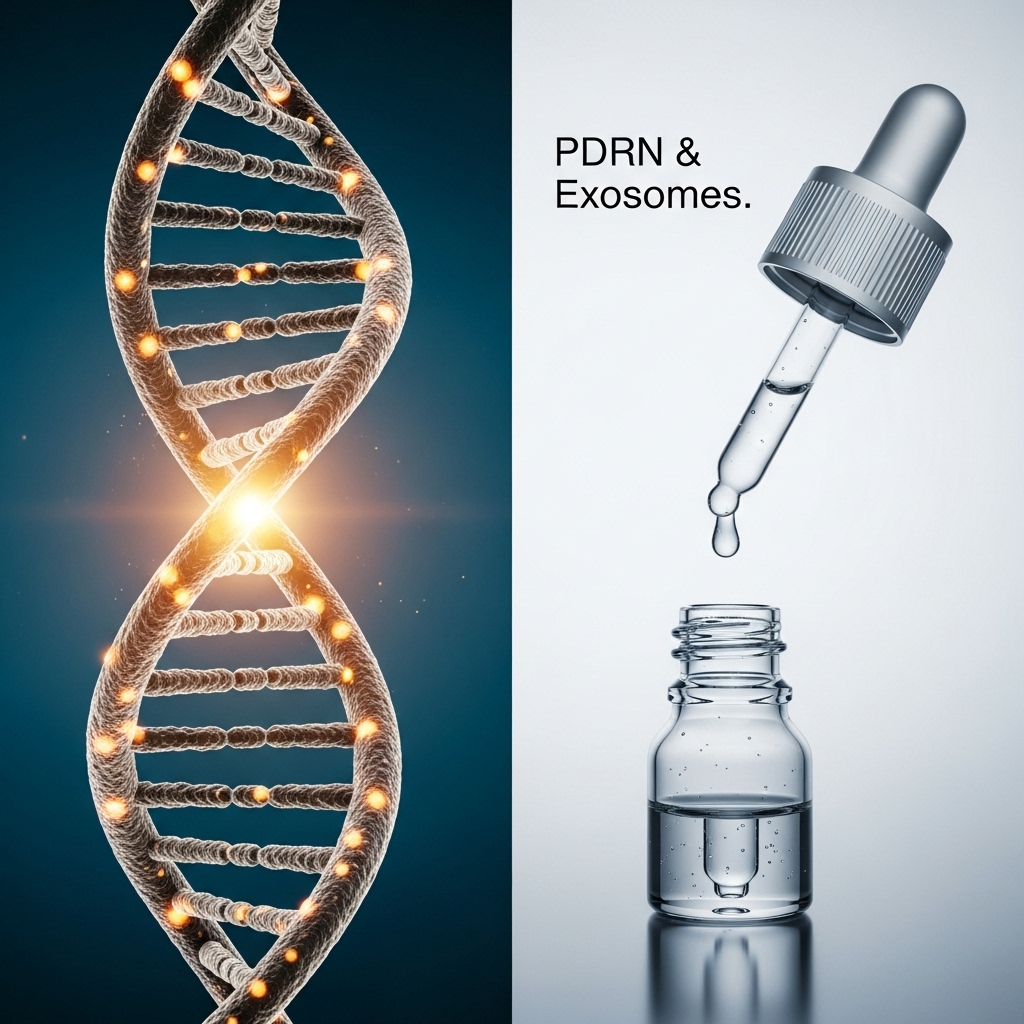
The New Star: PDRN (Salmon DNA)
While snail mucin is excellent for surface soothing, the new heavy hitter is PDRN (Polydeoxyribonucleotide), commonly derived from salmon DNA.
Why the shift? PDRN has long been used in Korean dermatology clinics (often found in the popular “Rejuran Healer” injections) to accelerate wound healing. Now, it is being formulated into topical serums and toners. Unlike snail mucin, which primarily protects the barrier, PDRN benefits include stimulating collagen production at the cellular level and repairing damaged tissue. It acts as a “building block” for skin regeneration, making it the superior choice for deep acne scars and compromised barriers.
Exosomes: The Next Frontier of Cell-Signaling
If PDRN is the building block, Exosomes are the project managers. These are not cells themselves, but nano-sized vesicles released by cells to facilitate communication. Think of them as envelopes carrying “instructions” (lipids, proteins, genetic material) from healthy cells to damaged ones, telling them to repair and rejuvenate.
Exosome skincare represents the cutting edge of biotech beauty. By improving cell-to-cell signaling, these products boost the efficacy of every other step in your routine, addressing inflammation and elasticity with unprecedented precision.
Why It’s Trending: Clinical-Grade Results at Home
The driving force behind this trend is the “Home-Clinic” movement. Consumers are no longer satisfied with basic moisturization; they want the results of a Gangnam dermatology clinic without the downtime or needle pain. Bio-regenerative actives bridge this gap, offering clinical-grade skincare that transforms the skin’s biological age from the comfort of the bathroom vanity.
Trend 4: Scalp Care as “Head Skin” (Skinification of Hair)
In 2026, the boundary between haircare and skincare has completely dissolved. The “Skinification of Hair” trend treats the scalp not as a separate entity, but as an extension of the face—literally, “Head Skin.”
The Philosophy: Treating the Scalp with Facial Rigor
The logic is simple: you wouldn’t wash your face with harsh sulfates and ignore it for a week, so why do it to your scalp? A healthy scalp is the prerequisite for healthy hair growth. K-Beauty has popularized the idea that issues like hair thinning, oiliness, and flatness usually stem from scalp barrier neglect.
The Ritual: “Scalp Scaling”
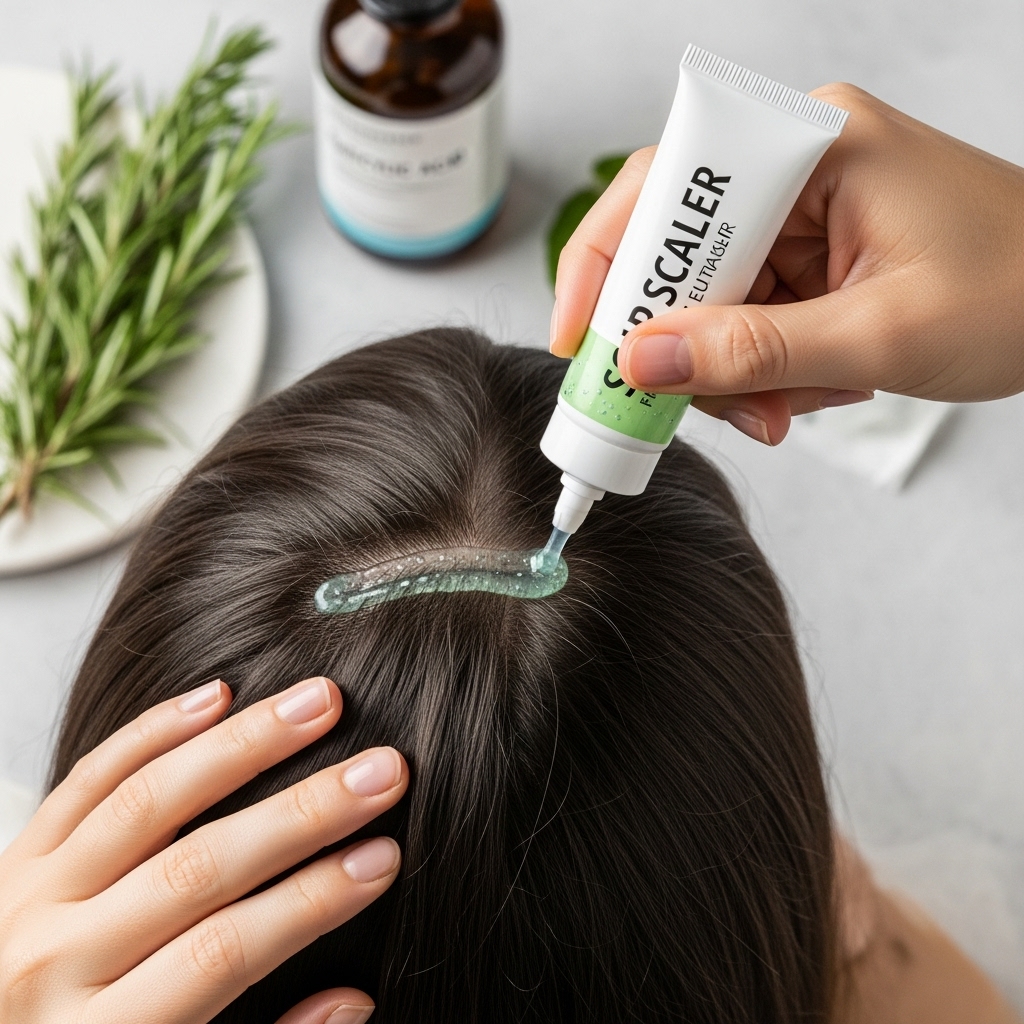
The buzzword for 2026 hair care is “Scalp Scaling.” Originating from Korean hair spas, this process involves deep exfoliation to unclog hair follicles blocked by sebum, dead skin, and product buildup.
Unlike standard shampooing, scalp scaling at home uses specialized scalers (often in nozzle-tip tubes) applied directly to the roots before shampooing. This detoxifies the follicles, allowing hair to grow unobstructed and immediately boosting root volume.
Ingredients: Facial Acids for Hair Density
The ingredient list for scalp products now reads like a facial serum:
- Salicylic Acid (BHA): The gold standard for oily scalp treatments, dissolving sebum inside the pore to prevent dandruff.
- Peptides: Copper peptides are increasingly added to tonics to stimulate follicles and support hair density.
- Rosemary Oil & Caffeine: Natural stimulants used to boost circulation and encourage hair growth.
Trend 5: Next-Gen Overnight Collagen Masks
K-Beauty has reinvented the sleeping mask. Gone are the sticky creams that ruin your pillowcases. The viral sensation of 2026 is the hydrogel collagen mask—a piece of “tech” you wear to sleep.
The Viral Tech: “Biodance-Style” Hydrogel
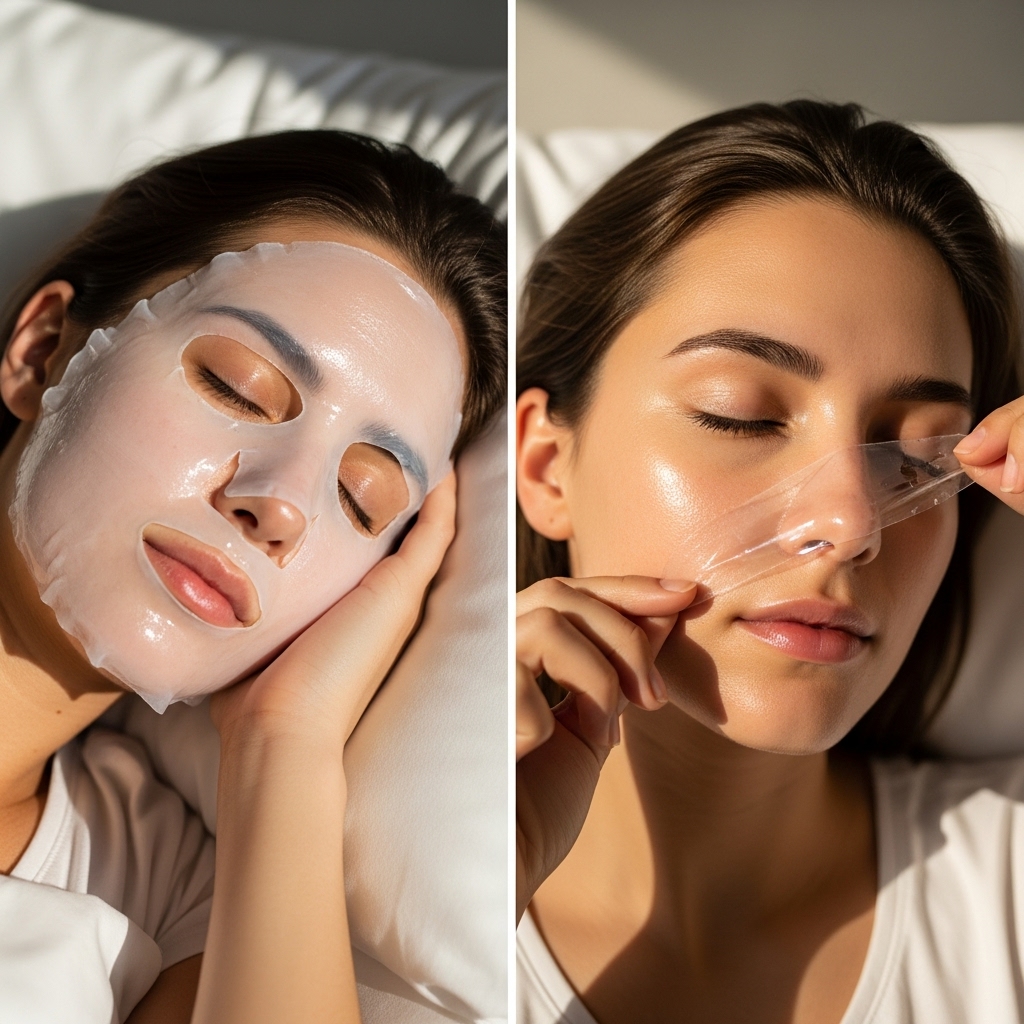
This trend exploded thanks to the visual satisfaction of the product. These aren’t paper sheet masks; they are solid, solidified hydrogel sheets infused with low-molecular-weight collagen.
The magic lies in the absorption mechanism. When applied, the mask is opaque white. Over 3 to 6 hours (or overnight), the mask turns completely transparent. This visible shift proves that the active ingredients have melted into the skin, not evaporated into the air. Search terms like “mask turns clear overnight” are dominating social platforms.
Collagen Wrapping: Locking in the Glass Finish
This technique is often called “Collagen Wrapping.” By creating a physical seal over the skin for several hours, the mask forces moisture and actives deep into the epidermis, preventing transepidermal water loss (TEWL).
The result? When you peel it off in the morning, the skin has a literal “glassy” finish—ultra-smooth, reflective, and poreless. It is the closest cosmetic equivalent to a lamination treatment.
Benefit: Intense, Mess-Free Hydration
The massive appeal of overnight collagen masks is the “lazy efficiency.” It requires zero effort after application. It doesn’t drip, it doesn’t smear on bedding, and it combines the steps of a serum, moisturizer, and occlusive into one single patch. It is the ultimate hack for busy consumers wanting to wake up with glowy skin.
Trend 6: Cryo-Care (Temperature-Responsive Skincare)
In 2026, the temperature of your skin is just as important as the ingredients you put on it. K-Beauty has identified a new enemy: “Thermal Aging” (skin aging caused by heat exposure), and the solution is physically cooling the skin down.
The Problem: Thermal Aging
While UV rays are a known danger, 2026 research highlights that heat itself—whether from the sun, hot showers, or even intense exercise—causes inflammation and collagen breakdown. When the skin temperature rises, blood vessels dilate (causing redness/rosacea), and enzyme activity that degrades collagen increases. This phenomenon is driving the demand for “cooling skincare” solutions.
The Solution: Ingredients That Drop the Temp
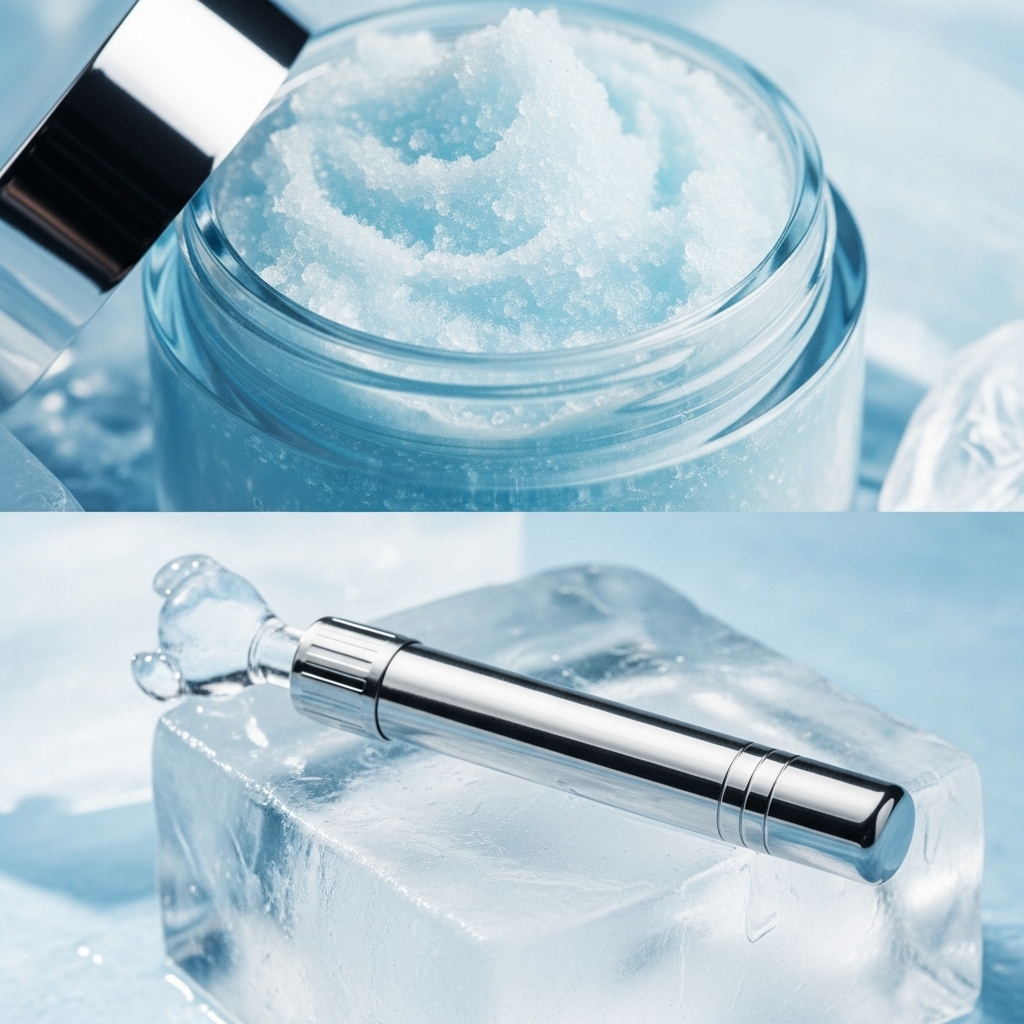
We aren’t just talking about putting your jade roller in the fridge anymore. The new wave of products features temperature-responsive ingredients like Xylitol, Erythritol, and Glacial Water. These compounds physically lower the skin’s surface temperature by 3°C to 5°C upon contact.
- Cooling Wands: Metal “Cryo-sticks” designed to be kept in the freezer are becoming a staple morning step to depuff faces instantly.
- Sherbet Textures: Moisturizers with “sherbet” textures that melt on contact, providing an immediate cooling sensation without the stickiness of aloe vera.
Best For: Depuffing and Rosacea
This trend is a game-changer for anyone dealing with morning puffiness or chronic redness. By keeping the skin cool, you constrict blood vessels, instantly tightening pores and calming irritation.
Trend 7: Barrier-First Repair (The “Sandwich” Method)
If 2024 was about “exfoliating,” 2026 is about “fortifying.” The Barrier-First philosophy dictates that you cannot achieve a glow if your protective wall (the stratum corneum) is full of holes.
The Pivot: Repair Before Actives
The golden rule of 2026 K-Beauty is: “Repair before you Transform.” Before introducing harsh actives like Retinol or Vitamin C, consumers are spending weeks focusing solely on barrier repair. A strong barrier holds moisture better, meaning you need fewer products to look hydrated.
Ingredients: The “Golden Trio”
The ingredient list for barrier repair focuses on biomimetic components—things your skin naturally contains but loses over time:
- Ceramides: The mortar holding your skin cells together.
- Panthenol (Vitamin B5): For deep hydration and healing.
- Centella Asiatica (Cica): The ultimate soothing agent for inflammation.
Technique: The Moisture Sandwich
The “Moisture Sandwich” method has evolved. It’s no longer just for applying retinol. It is now a standard hydration technique:
- Base: Dampen skin with a mist or essence.
- Middle: Apply a humectant serum (Hyaluronic Acid or Glycerin).
- Top: Seal immediately with a lipid-rich cream (Ceramides). This traps water inside the skin layers, preventing Transepidermal Water Loss (TEWL) and ensuring the barrier remains plump and intact.

Conclusion: Building Your 2026 K-Beauty Routine
The K-Beauty landscape of 2026 is exciting because it is smarter, not harder. We have moved past the overwhelming 10-step routines into an era of Intelligent Minimalism—where every step has a distinct biological purpose, from DNA repair (PDRN) to temperature control (Cryo-Care).
Summary: How to Mix Trends
You do not need to adopt all 7 trends at once. Start small:
- If you want glow: Try the Glass Skin 2.0 fluid layering method.
- If you have acne scarring: Look into PDRN serums.
- If you are busy: Swap your night cream for a Collagen Wrapping Mask.
Final Tip: Consistency Over Intensity
The secret to Korean beauty isn’t a magic product; it’s consistency. A simple barrier-repair routine done every single day will always beat an expensive specialized treatment done once a month.
Ready to start? Pick one trend from this list that solves your biggest skin concern and introduce it to your routine this week. Your skin barrier will thank you.