
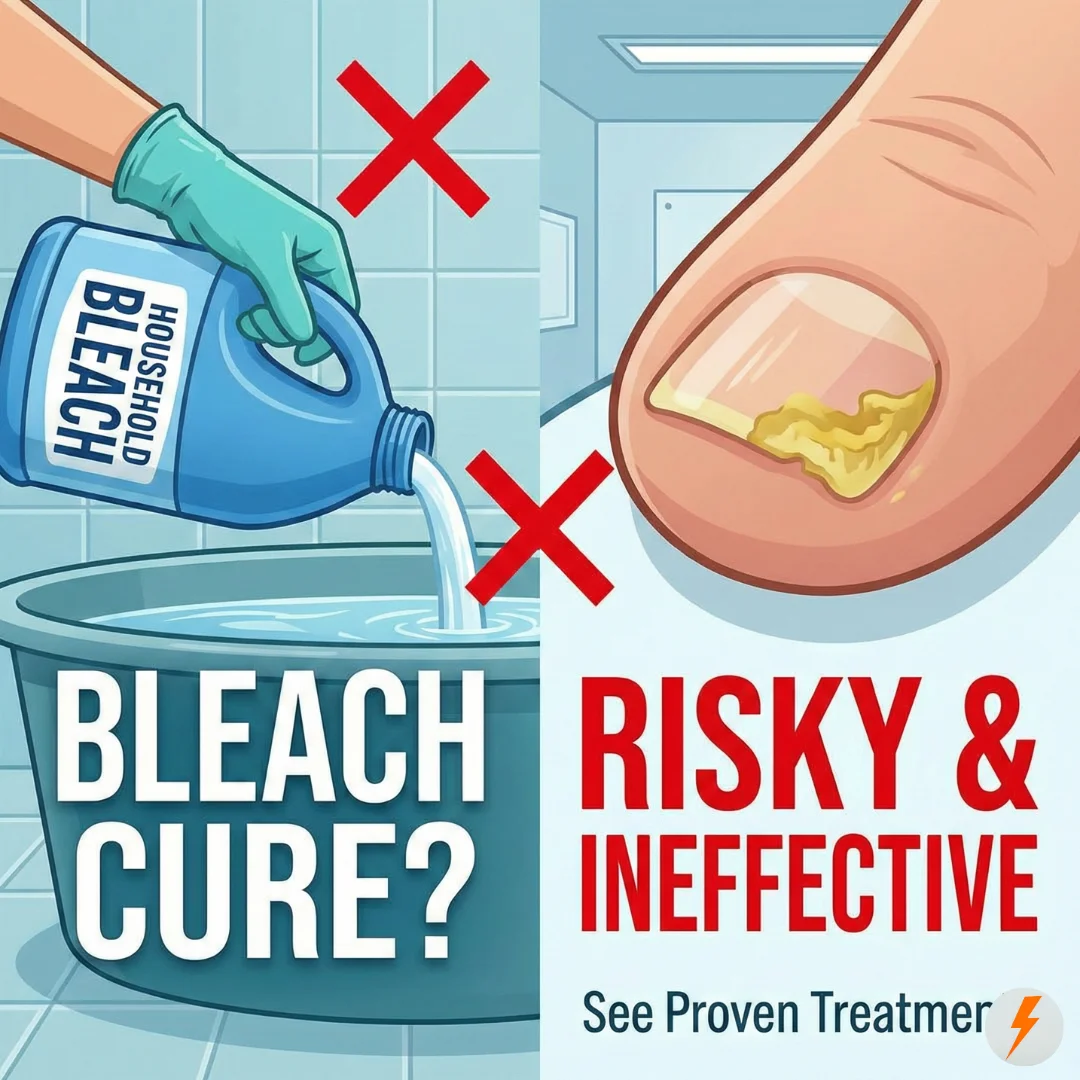

Nail fungus is a stubborn, often embarrassing condition that affects millions of people. In the search for a quick, inexpensive fix, many turn to household staples found under the kitchen sink. One of the most debated home remedies is common household bleach.
While bleach is a powerful disinfectant capable of killing pathogens on surfaces, using it on the human body is a different story. This guide explores whether bleach can effectively cure nail fungus, the safety risks involved, and the medically proven alternatives you should consider first.
What Is Nail Fungus (Onychomycosis)?
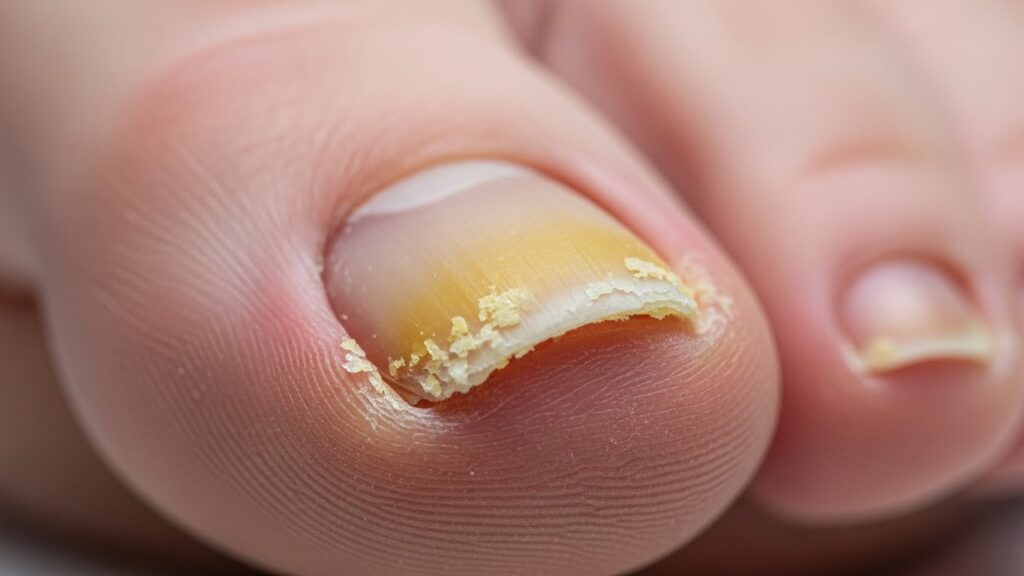
Nail fungus, medically known as onychomycosis, is a fungal infection that affects the fingernails or toenails. It accounts for about 50% of all nail abnormalities. While it usually begins as a cosmetic issue—a white or yellow spot under the tip of the nail—it can progress into a painful condition that permanently damages the nail.
Common Causes of Nail Fungus
Fungal infections are typically caused by microscopic organisms called fungi. The most common culprits include:
- Dermatophytes: These are the same fungi responsible for Athlete’s Foot.
- Yeasts and Molds: Can also cause nail infections, though less frequently.
Fungus thrives in warm, moist, and dark environments. You are more likely to contract it from walking barefoot in public showers, wearing sweaty socks for extended periods, or having minor skin or nail injuries that allow the fungus to enter.
Signs and Symptoms of Nail Fungus
Identifying the infection early is key to treatment. Common symptoms include:
- Discoloration: Nails turn white, yellow, or brown.
- Thickening: The nail becomes unusually thick and hard to trim.
- ** brittleness:** Nails become crumbly or ragged at the edges.
- Debris: Buildup of dark debris under the nail.
- Odor: Infected nails may emit a foul smell.
Can Bleach Kill Nail Fungus?
The short answer is: Yes, bleach kills fungus, but not necessarily when the fungus is living on your body.
How Bleach Affects Fungus
Household bleach contains sodium hypochlorite, a potent chemical that destroys proteins in bacteria, viruses, and fungi. On non-porous surfaces like shower tiles or bathroom counters, bleach is highly effective at eradicating fungal spores.
Does Bleach Penetrate the Nail Plate?
This is the main hurdle for bleach treatments. Nail fungus typically lives in the nail bed (the skin underneath the nail) and within the layers of the nail plate itself.
Bleach is a topical surface agent. It does not easily penetrate the hard keratin of the nail to reach the source of the infection. While it might kill fungus on the surface, it often fails to reach the deep-seated infection, leading to high recurrence rates.
Is It Safe to Use Bleach on Nail Fungus?
While some people swear by bleach soaks, medical professionals generally advise against applying harsh chemicals to the skin.
Potential Risks and Side Effects
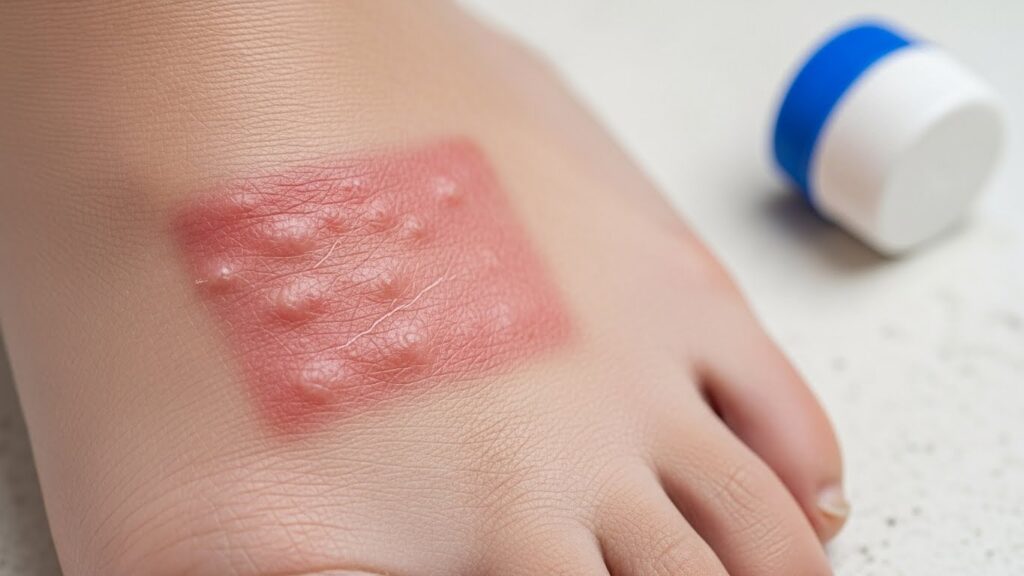
Bleach is a caustic substance. Applying it to your feet or hands can result in:
- Chemical Burns: Redness, blistering, and raw skin.
- Contact Dermatitis: Severe itching and rash.
- Respiratory Irritation: Inhaling fumes during soaking can irritate the lungs.
- Worsening Infection: If bleach damages the skin around the nail, it creates new entry points for bacteria and fungus, potentially leading to secondary infections.
Warning: Individuals with diabetes or neuropathy (loss of sensation in the feet) should never use bleach soaks, as they may not feel a chemical burn developing until it is too late.
Why Doctors Do Not Recommend Bleach Treatments
Podiatrists and dermatologists rarely recommend bleach because the risk-to-reward ratio is poor. Even if diluted, bleach can strip the skin of natural oils and damage the healthy tissue surrounding the nail. With safe, FDA-approved antifungal medications available, risking a chemical burn for a remedy with low efficacy is generally considered unwise.
How People Use Bleach for Nail Fungus (What You Should Know)
(Note: This section is for educational purposes only to explain common anecdotes. It is not an instructional guide or medical recommendation.)
Diluted Bleach Soaks: What People Try
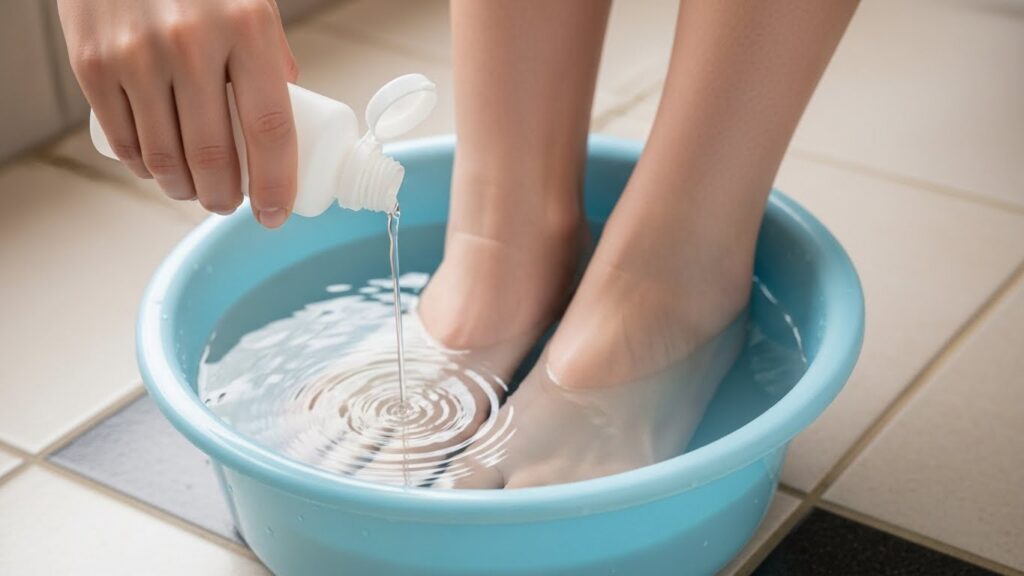
Online forums often suggest “bleach soaks” rather than direct application. The most common anecdotal method involves diluting a very small amount of bleach in a large basin of warm water.
- Common ratios cited: Usually 1 part bleach to 100 parts water (or a capful in a foot bath).
- Duration: Anecdotes suggest soaking for 10–15 minutes, once or twice a week.
Whatever you do, never apply undiluted bleach directly to the nail or skin. This will almost certainly cause tissue damage.
Why Results Are Often Temporary or Ineffective
Many users report that their nails look “cleaner” or “whiter” after bleaching. This is often because bleach whitens the discoloration, acting as a cosmetic fix rather than a medical cure. Because the bleach cannot penetrate the nail bed, the fungus continues to grow underneath, and the discoloration returns once the bleaching stops.
Does Bleach Kill Fungus on Nail Clippers and Tools?
While bleach is risky for your skin, it is excellent for your tools. Reinfection often occurs because people use the same nail clippers on infected and healthy nails.
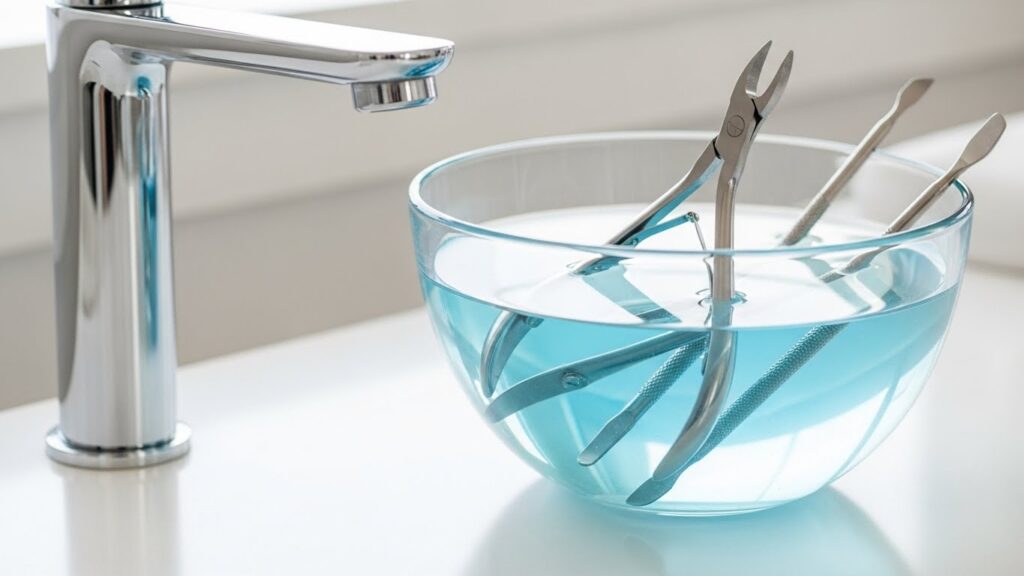
Proper Nail Tool Disinfection Methods
To prevent spreading the infection to other toes or family members:
- Wash nail clippers and files with soap and water to remove debris.
- Soak the tools in a solution of 1 part bleach to 9 parts water for 10 to 30 minutes.
- Alternatively, use 70% isopropyl alcohol.
- Rinse thoroughly and dry.
What to Use Instead of Bleach for Nail Fungus
If you want to treat the fungus safely and effectively, consider these proven alternatives.
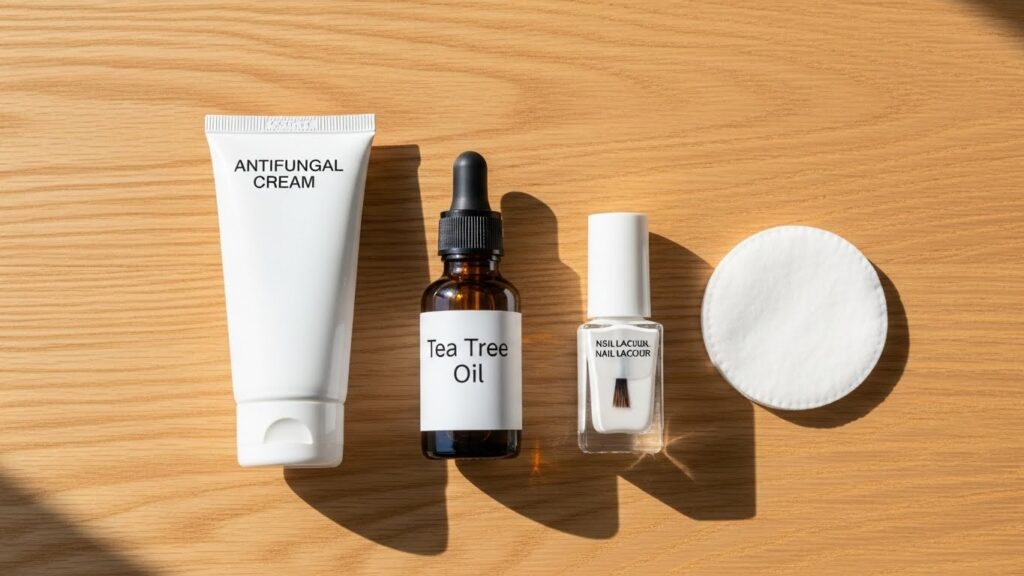
Over-the-Counter Antifungal Treatments
For mild infections, OTC options are safer than bleach. Look for active ingredients like:
- Tolnaftate
- Clotrimazole
- Undecylenic acid These usually come in creams, lacquers, or liquids.
Prescription Medications (Topical & Oral)
If the infection is stubborn, a doctor can prescribe:
- Topical Lacquers: Such as Ciclopirox or Efinaconazole (Jublia). These are designed to penetrate the nail better than OTC options.
- Oral Antifungals: Pills like Terbinafine (Lamisil) or Itraconazole. These are considered the “gold standard” for cures because they work systemically to clear the infection from the inside out.
Laser Treatment for Nail Fungus
A modern, drug-free option where a focused laser beam heats the nail to kill the fungus without damaging surrounding tissue. It is effective but can be expensive and is rarely covered by insurance.
Natural Remedies: Tea Tree Oil & Home Care
If you prefer home remedies, Tea Tree Oil is a safer alternative to bleach. It has natural antifungal and antiseptic properties. While not as strong as prescription meds, it is far less likely to cause chemical burns when used properly.
What Kills Nail Fungus the Fastest?
Speed is often the priority for sufferers, but nail fungus is slow-growing and slow-healing.
Best Treatments for Mild vs Severe Nail Fungus
- Fastest Overall: Oral Terbinafine (Lamisil). It typically requires a 6 to 12-week course, but you must wait for the healthy nail to grow out (which can take 6–12 months) to see the full result.
- Fastest for Mild Cases: A combination of mechanical debridement (filing down the thick nail) by a podiatrist plus a prescription topical antifungal.
How Is Nail Fungus Treated Professionally?
Sometimes, home care isn’t enough.
When to See a Doctor or Podiatrist
You should seek professional help if:
- You have diabetes or a compromised immune system.
- The infection has spread to the skin (Athlete’s Foot) or other nails.
- There is redness, pus, or heat around the nail (signs of bacterial infection).
- Home remedies have failed after several months.
Nail and Foot Care Tips to Prevent Fungus Recurrence
Curing the fungus is half the battle; keeping it away is the other half.
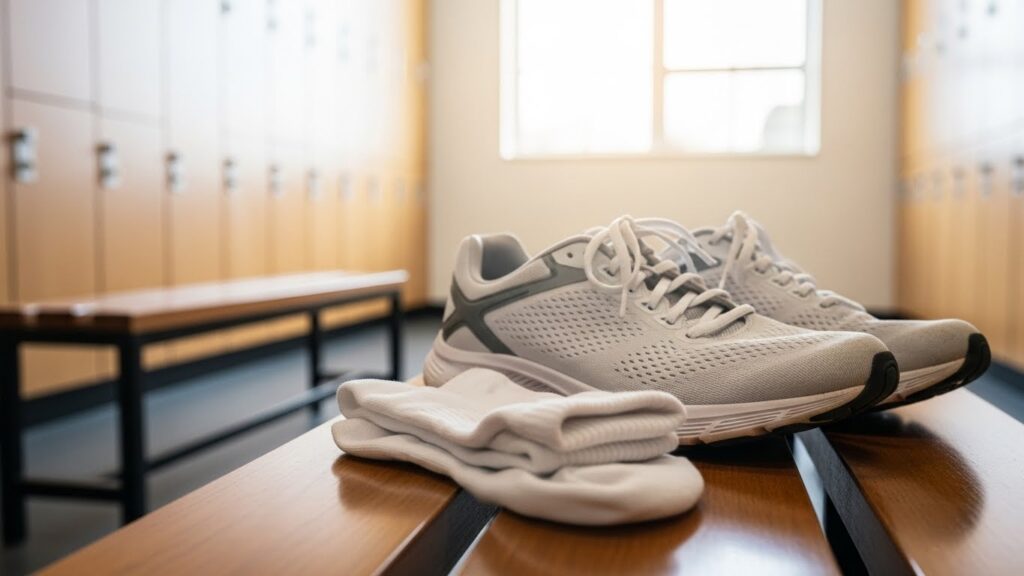
Proper Nail Hygiene
- Keep nails trimmed short and cut straight across.
- Don’t pick at the cuticles; they protect the nail root.
Footwear and Moisture Control
- Wear sweat-wicking socks (synthetic blends or wool).
- Rotate your shoes to allow them to dry out completely between wears.
- Wear shower shoes in gyms and public pools.
Boosting Your Immune System
A healthy immune system helps keep fungal overgrowth in check. Ensure a balanced diet rich in vitamins and stay hydrated to maintain skin and nail health.
Frequently Asked Questions (FAQs)
It is unlikely. While bleach can kill surface fungus, it rarely penetrates deep enough to cure the infection permanently. The risk of skin damage often outweighs the potential benefits.
Yes. Bleach is corrosive. It can cause chemical burns, contact dermatitis, and dry out the nail plate, making it brittle and more susceptible to future infection.
Oral prescription antifungal medications (like Terbinafine) are statistically the most effective treatments, offering higher cure rates than topical creams or home remedies.
Final Verdict: Should You Use Bleach for Nail Fungus?
While bleach is a powerful cleaning agent for your bathroom, it is not a recommended treatment for your nails. The molecule is too large to penetrate the nail plate effectively, and the risk of chemical burns is significant.
Instead of reaching for the bleach bottle, focus on proven OTC antifungals, natural oils like Tea Tree, or consult a podiatrist for a prescription that actually works. Use bleach for what it does best: disinfecting your shower floor and nail clippers to prevent the fungus from spreading.