
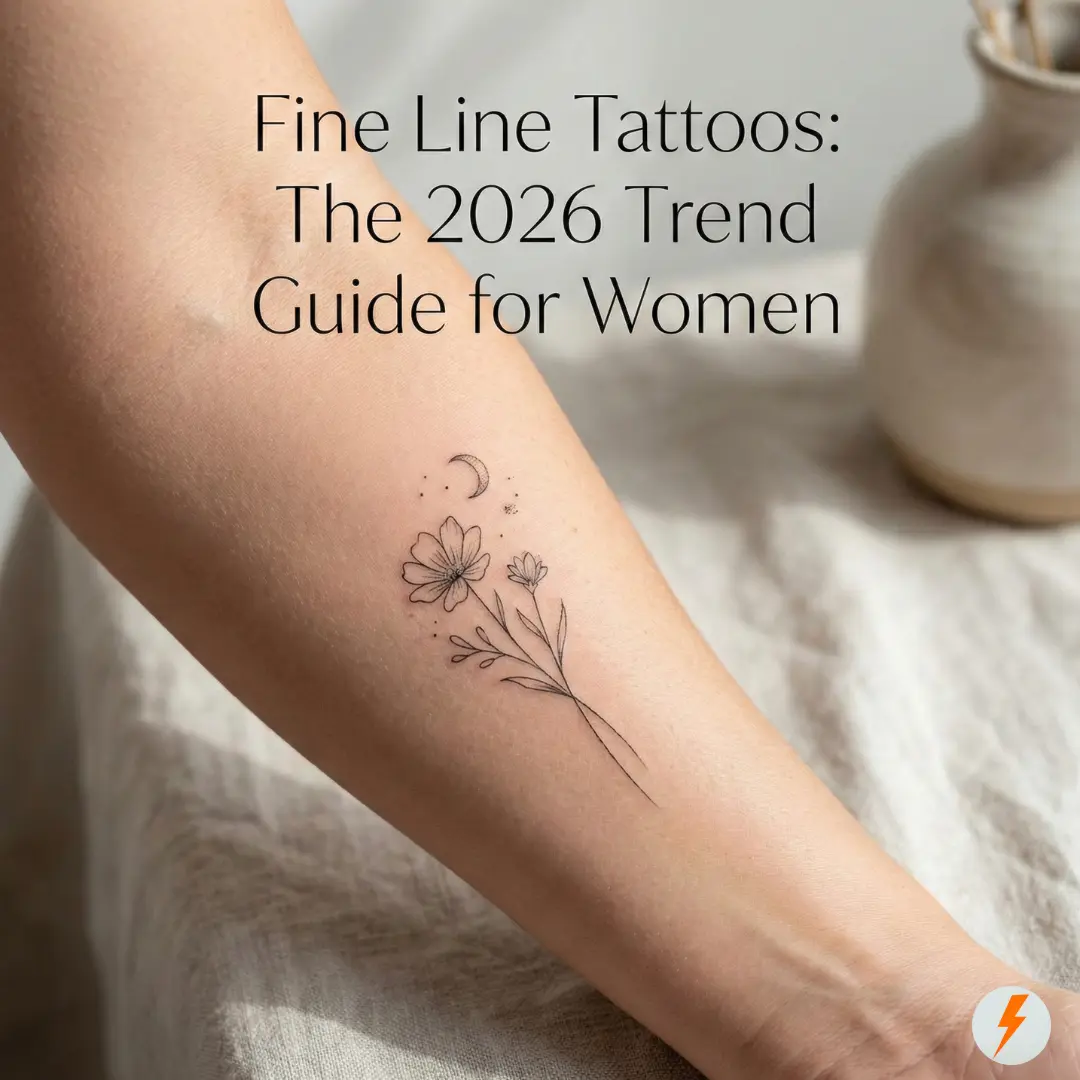

Introduction
The Rise of “Quiet Luxury” in Ink In 2026, the tattoo industry is seeing a massive cultural shift toward “Quiet Luxury.” Just as fashion has moved away from heavy logos to high-quality basics, body art is moving away from heavy, saturated sleeves toward “whispering” designs. This aesthetic prioritizes placement and precision over size. For women in professional environments, this trend offers a way to express personal narratives without compromising a polished, minimalist appearance. It is no longer about how much ink you have, but how elegantly it fits your body’s natural curvature.
Fine Line vs. Micro-Realism: What’s the Difference? Before booking an appointment, it is crucial to understand the technical difference between these two dominant styles, as they require different artist skill sets:
- Fine Line: This style relies on the use of a distinct, single continuous line (often using a 1RL or “Single Needle”). The focus is on crisp, sharp outlines with little to no shading. Think of it as a pen drawing on skin.
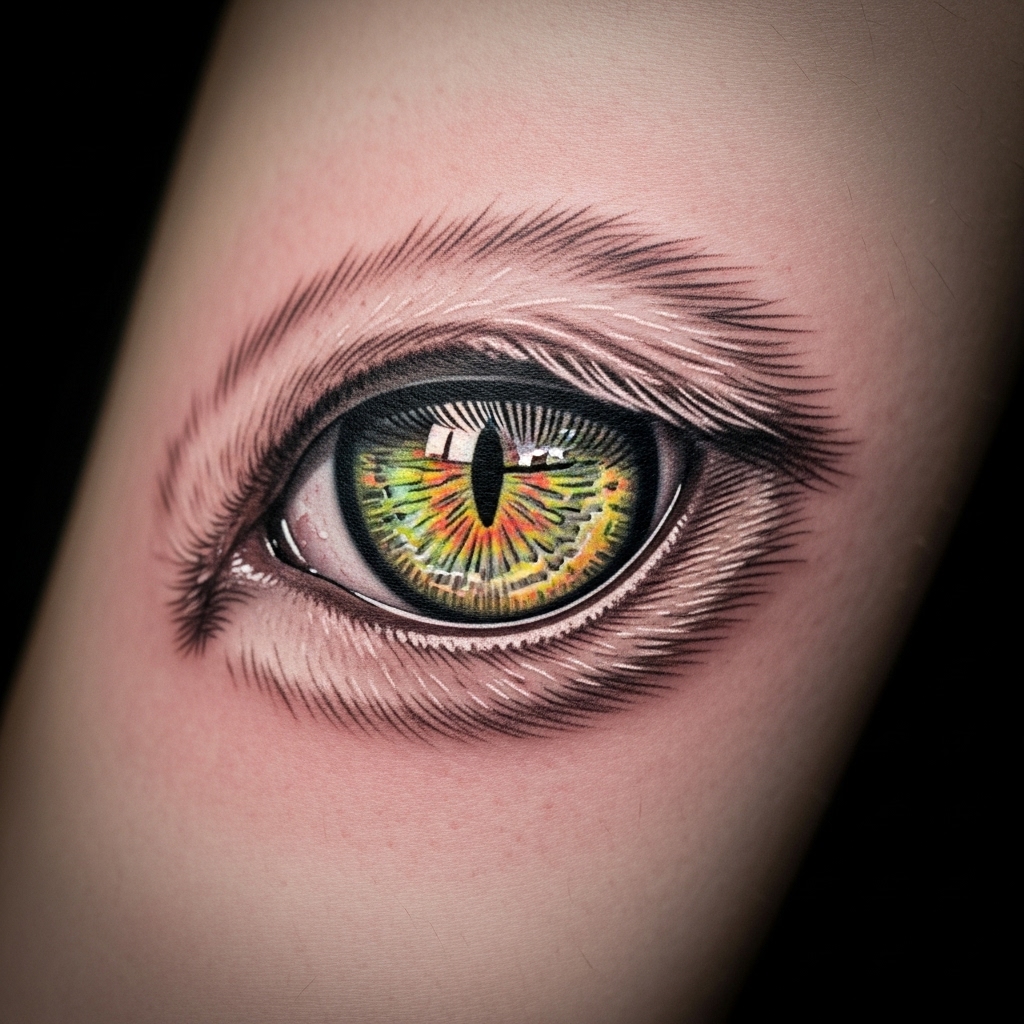
- Micro-Realism: This technique creates a 3D, photorealistic image in a tiny space (usually under 3-4 inches). Unlike fine line, it relies heavily on gradual shading and layering to create depth without harsh outlines.
Top Fine Line Tattoo Trends for 2026
Here are the specific design themes dominating artist portfolios this year.
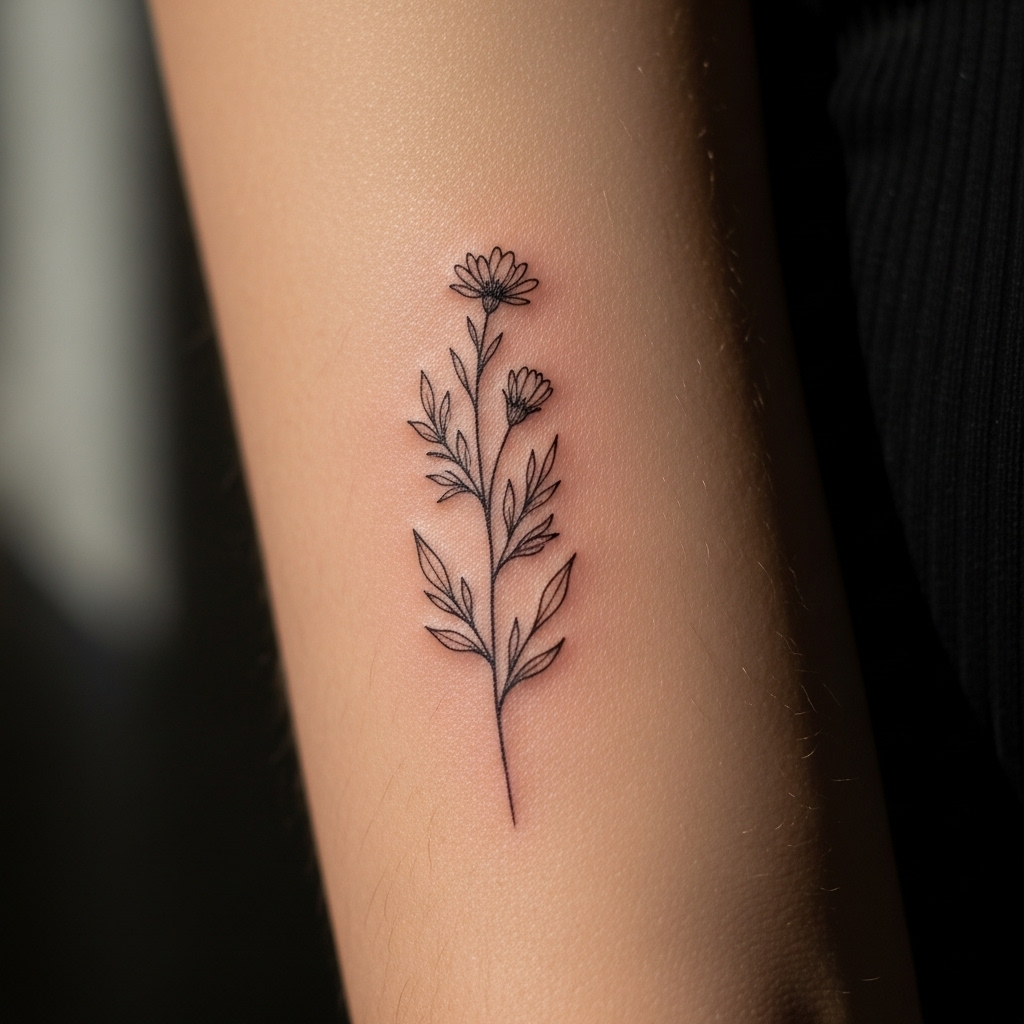
- Botanical & Micro-Florals
- The Trend: Moving away from generic roses, 2026 is about “wildflower” aesthetics—lavender, poppies, and ferns that wrap around the limb naturally.
- Why it works: These organic shapes age gracefully because slight fading looks natural on floral designs.
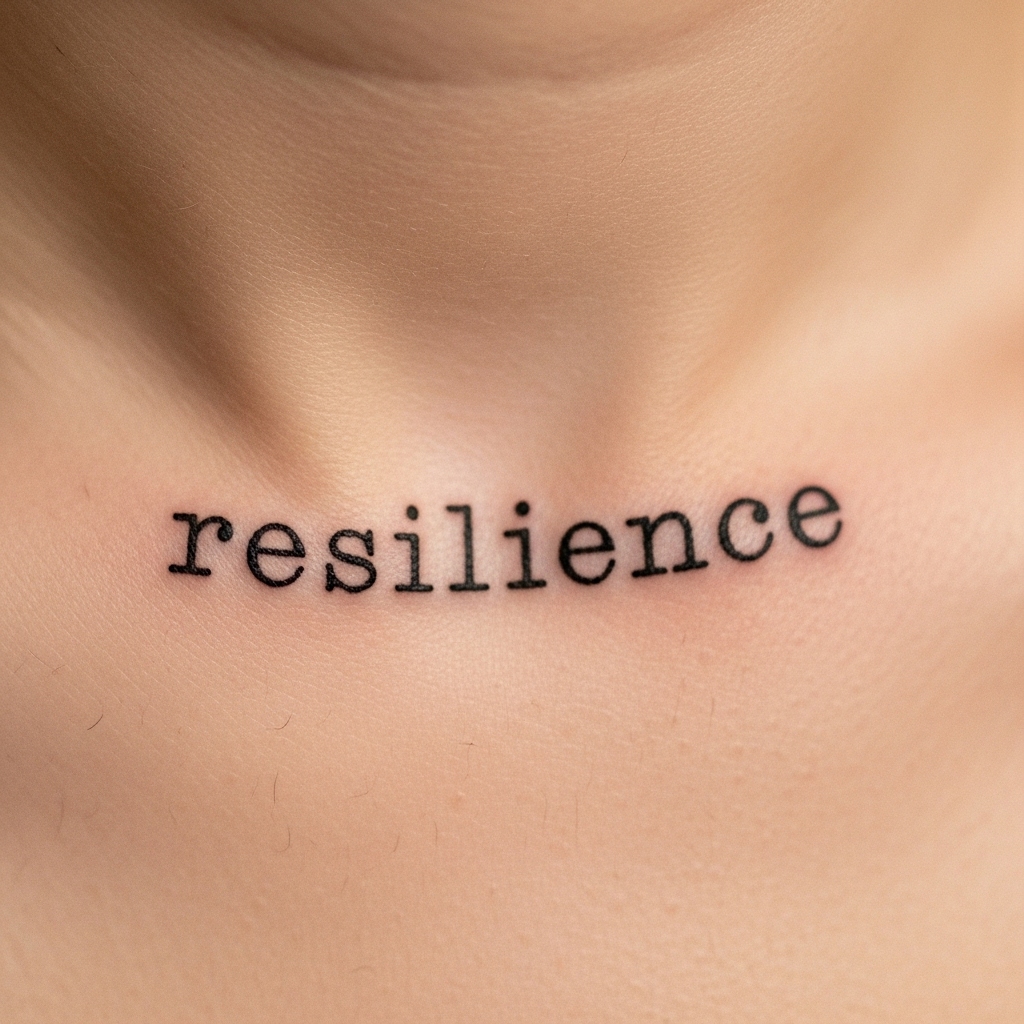
- Fine Line Script & Affirmations
- The Trend: Handwritten fonts (often copying a loved one’s actual handwriting) or typewriter fonts. Single words like “Breathe,” “Still,” or “Create” are replacing long quotes.
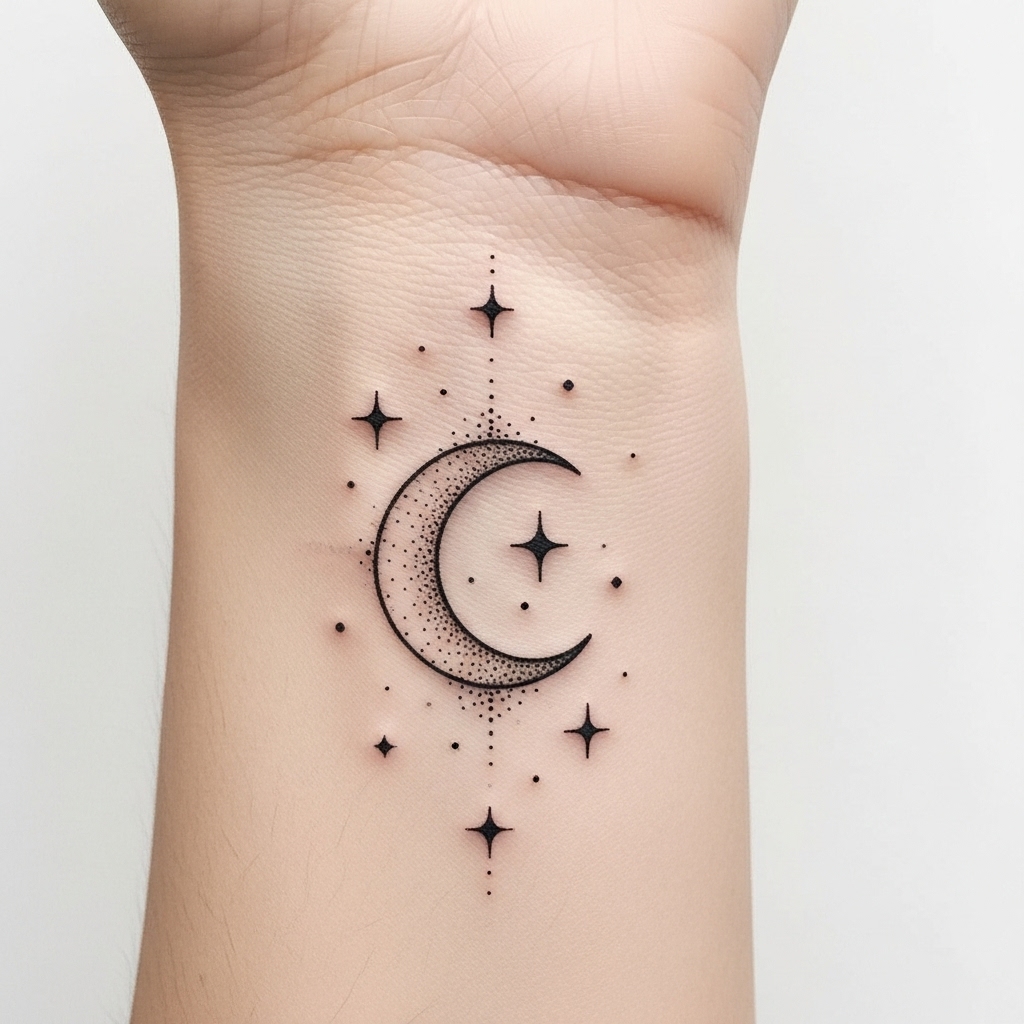
- Celestial & Astrology
- The Trend: Minimalist constellations, phases of the moon using dotwork (stippling), and zodiac glyphs hidden behind the ear or on the finger.
- Why it works: It connects the wearer to the universe without being overly literal or cartoony.
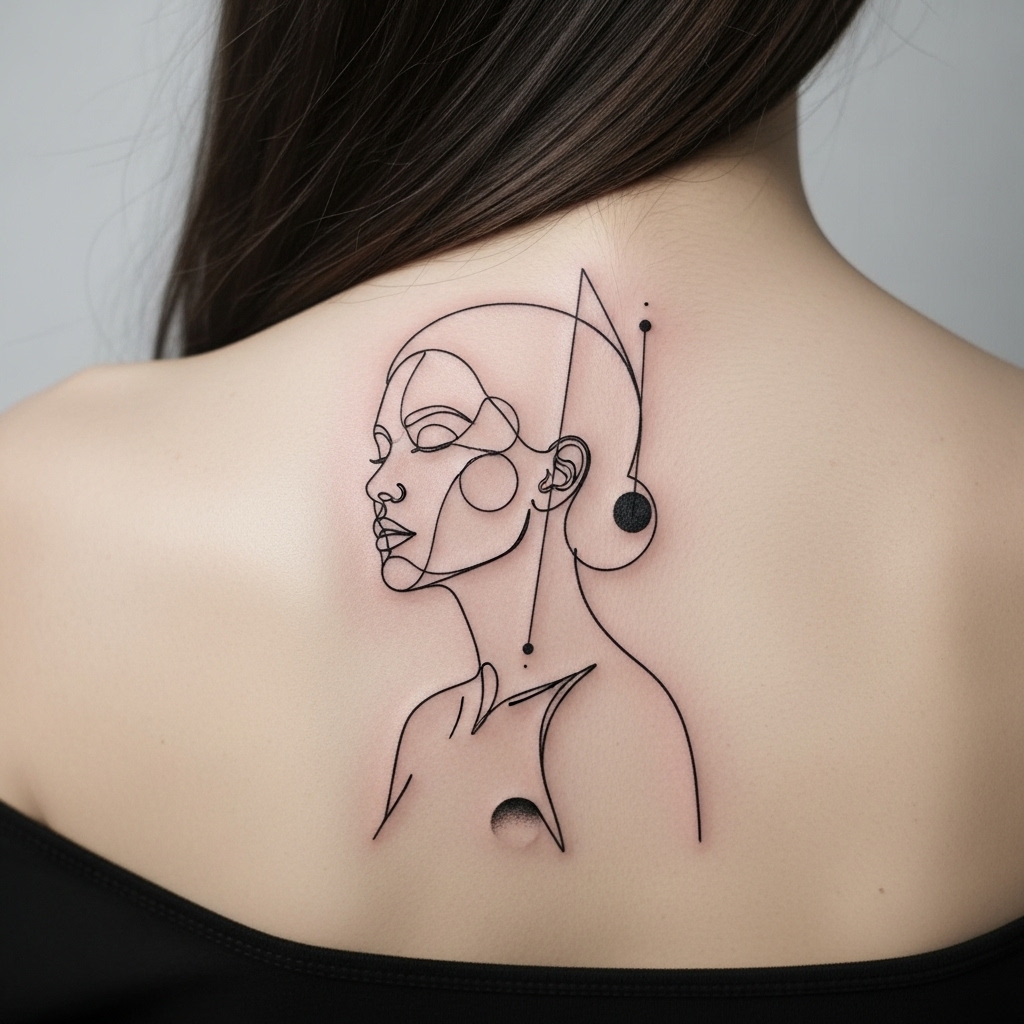
- Abstract & Geometric Lines
- The Trend: Continuous line art (where the pen never leaves the paper) forming faces or bodies, and symmetrical micro-shapes that align with the spine or sternum.
- Why it works: Timeless and artistic; these designs rarely look “dated” because they don’t follow pop culture trends.
- Micro-Realism Portraits
- The Trend: Tiny, hyper-realistic portraits of pets or loved ones, often no larger than a coin.
- Note: This is a high-cost trend (often $400+) requiring a specialist artist.
Best Placements for Fine Line Tattoos (Pain & Visibility)
Choosing the right placement is just as important as the design, especially for fine line work which is more delicate than traditional bold tattoos.
The Rib Cage
- The Vibe: Intimate, sexy, and easily hidden. This is the top choice for text and vertical floral scripts.
- SEO Insight: Minimalist rib cage tattoos are currently trending on Pinterest as the ultimate “hidden accessory.”
- Pain Level: 8/10 (High). The skin here is thin and sits directly over the bone. The sensation is often described as a sharp, vibrating scratch.
- Healing Note: You must avoid tight bras or sports tops for 2 weeks to prevent rubbing off the scabs.
Inner Wrist & Forearm
- The Vibe: The daily reminder. This is the most visible spot for the wearer.
- Pain Level: 3/10 (Low). One of the least painful spots, making it perfect for beginners.
- Visibility: High. UV exposure is a risk here; daily sunscreen is mandatory to stop fine lines from blurring over time.
Behind the Ear
- The Vibe: The “Peek-a-boo” placement. It is only visible when hair is tied up, offering a playful, secretive element.
- Pain Level: 5/10 (Medium). The vibration near the skull can be loud and annoying, but the actual pain is manageable.
- Best Designs: Tiny stars, initials, or small flowers.
The Spine
- The Vibe: Elegant and elongating. A fine line running down the spine accentuates the back’s curve.
- Pain Level: 7/10 (Medium-High). Directly on the vertebrae can be sharp, but the result is stunning.
- Aging: This area sees little sun damage, meaning spine tattoos often stay crisp longer than arm tattoos.
The Reality Check: Finger Tattoo Aging & Healing
This is the most critical section for managing user expectations. Finger tattoos are high-maintenance; being transparent here builds trust with your reader.
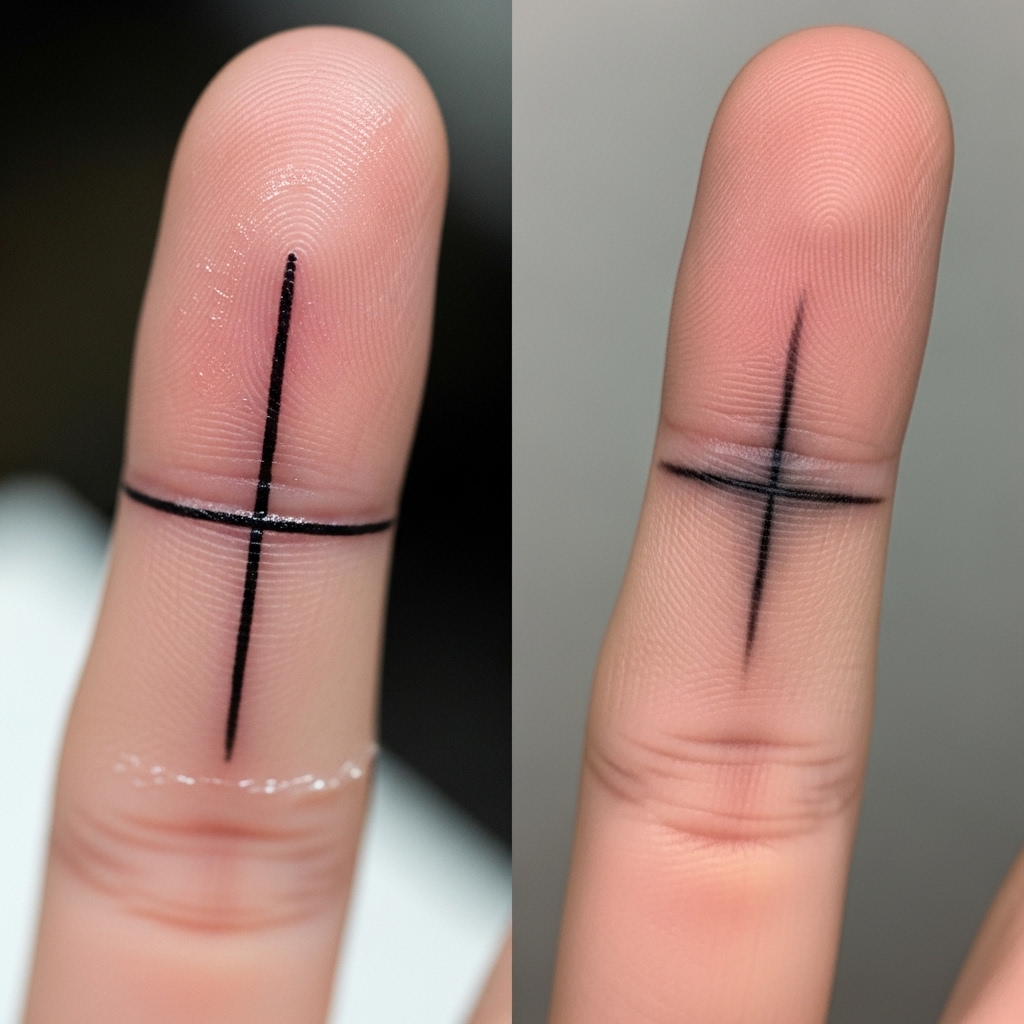
Expectation vs. Reality: The “Blur” Effect
- The Reality: Unlike the forearm or ribs, the skin on your fingers is incredibly thin and sits directly on top of bone and knuckle joints. It also sheds cells faster than any other body part due to constant friction (pockets, hand washing, typing).
- The Result: A crisp fine line tattoo on the finger will naturally “blow out” (thicken and blur) much faster than elsewhere.
- The “Fuzzy” Look: After 1–2 years, expect the lines to spread slightly, looking more like a soft pencil sketch than a sharp pen mark.
The “Touch-Up” Rule
- If you want your finger tattoo to look like it does on Instagram, you must commit to maintenance.
- Schedule: Expect to book a touch-up every 12–18 months to re-saturate the black ink.
- Pro Tip: Avoid intricate designs on the knuckles (where skin stretches the most). Place them on the phalanges (the flat part of the finger between joints) for better longevity.
How to Find a Fine Line Specialist
Not All Artists Do Fine Line
- Warning: Do not walk into a “Traditional” street shop asking for “Micro-realism.” Traditional artists use heavy machines and thick needle groupings (like 7RL or 9RL) designed for bold lines.
- The Risk: If a heavy-handed artist attempts fine line work, they will likely go too deep, causing immediate “blowouts” (ink spreading under the skin looking like a bruise).
What to Look For: The “Healed” Portfolio
- The Golden Rule: Never book an artist based solely on “fresh” photos (red, angry skin).
- The Check: Scroll down their Instagram to find Healed highlights. Look for photos taken 6+ months post-appointment.
- Are the lines still continuous?
- Did the tiny details vanish?
Tattoo Aftercare: Protecting Your Fine Lines
Because fine line tattoos use less ink and shallower needle depth, they are more fragile during healing than bold tattoos.
The First 48 Hours: Saniderm & Second Skin
- The Method: Most fine line artists now use a medical-grade adhesive barrier (Saniderm/Second Skin).
- Why: It protects the open wound from bacteria and friction while keeping the plasma (healing fluid) on the tattoo.
- Instruction: Leave this on for 3–5 days (unless it leaks). When removing, do it under warm running water to dissolve the adhesive gently.
Long-Term Care: The Sunscreen Rule
- The Science: UV rays break down ink particles. Since fine line tattoos have less pigment to begin with, they fade significantly faster in the sun.
- The Protocol: Once healed (after 4 weeks), apply SPF 50+ to your tattoo every time it is exposed to the sun. This is non-negotiable if you want your micro-realism to last 10+ years.
FAQ: Cost & Pain
The Myth: “It’s small, so it must be cheap.”
The Truth: You are paying for precision, not size. Micro-realism requires years of training to execute without error.
2026 Pricing Estimates:
Shop Minimum: $100–$150 (covers setup and sterilization).
Tiny Fine Line (1-2 inches): $150–$300.
Micro-Realism Portrait: $400–$800+ (depending on artist fame).
Answer: generally No.
The Feeling: Because it uses a single needle (1RL or 3RL), the sensation is sharper and more “scratchy” (like a cat scratch) compared to the dull “buzzing” vibration of a shader machine.
Trauma: It causes less skin trauma and scabbing than traditional shading, meaning the healing time is often faster (peeling stops around day 7-10).
Conclusion
Your Story, Your Ink Fine line tattoos are more than just a 2026 trend; they are a shift towards personal, intimate artistry. Whether you choose a hidden script on your ribs or a visible constellation on your wrist, ensure the design speaks to you.